Child Psychotherapy
I offer child psychotherapy to children aged 5 and older, in a safe, supportive and confidential space where children can explore thoughts, feelings, and experiences that may feel confusing or overwhelming. Through a gentle, age-appropriate approach, children are supported to make sense of what they are going through, express themselves in their own way, and build greater understanding, confidence, and emotional wellbeing.
I work with a wide range of issues, including:
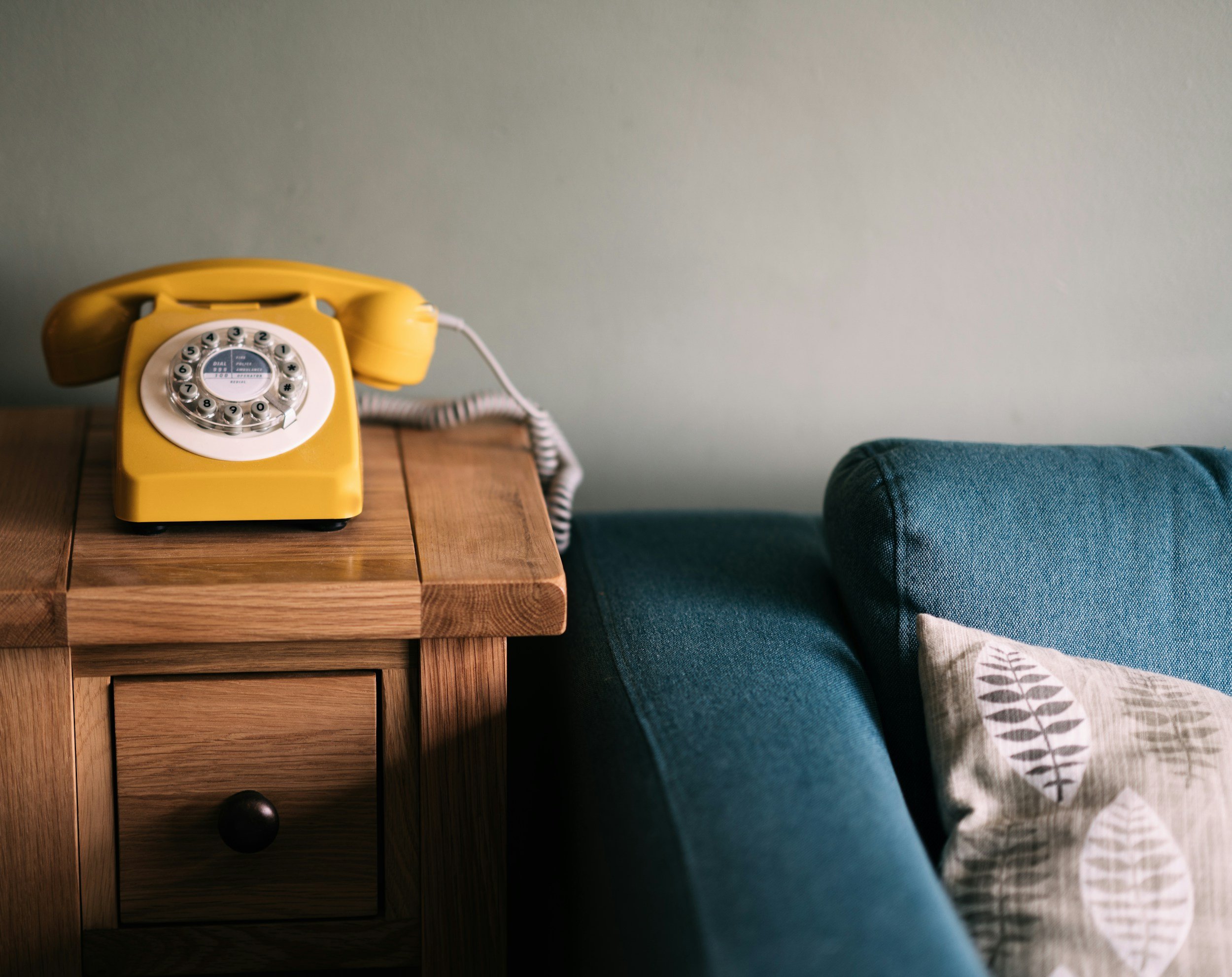
If you would like to arrange a telephone conversation to discuss whether I would be the right therapist for you, please get in contact.
“Birds Fly, Fish Swim, Children Play”
Garry L. Landreth,
Play Therapy: The Art of the Relationship
“Play is the foundation of learning, creativity, self-expression, and constructive problem-solving. It’s how children wrestle with life to make it meaningful. ”
Susan Linn
Contemporary American psychiatrist
FAQs for Young People
-
o Sometimes things in life can be scary, get us down make us distressed, anxious or confused. Sometimes family or friends can give us the support we need – sometimes not.
o Counselling gives us a private space to talk through what is difficult with someone who is not involved.
o A counsellor will not tell you what to do or judge you, but always try to understand things from your point of view, and support you to find your own answers.
-
o Everything you tell me in counselling is confidential and I won’t tell anyone else what you have told me, except in a few situations. For instance, if you told me you were going to hurt yourself or someone else or that someone was hurting you. I will go through this with you in more detail when we meet and you can ask me whatever questions you would like.
o I won’t tell your parents anything that you have told me without your agreement unless I am concerned about your safety.
o Sometimes, though, you might find is helpful for us to talk to your parent together and we can talk about this.
o If something big happens to you, your parents may decide to let me know ahead of our session. I will always let you know if they have spoken to me.
-
o Counselling can include us talking about the things that are bothering you and how you can manage this. But, sometimes talking can be hard so counselling can also include play, art, using clay, sand trays and games.
o You don’t have to do anything that you are not happy doing. These other things are just different ways for us to explore how you feel in different ways.
o In counselling sessions you get to decide what we do- As long as you don’t hurt yourself, each other, the room or the equipment.
-
A counselling session lasts for 50 minutes.
-
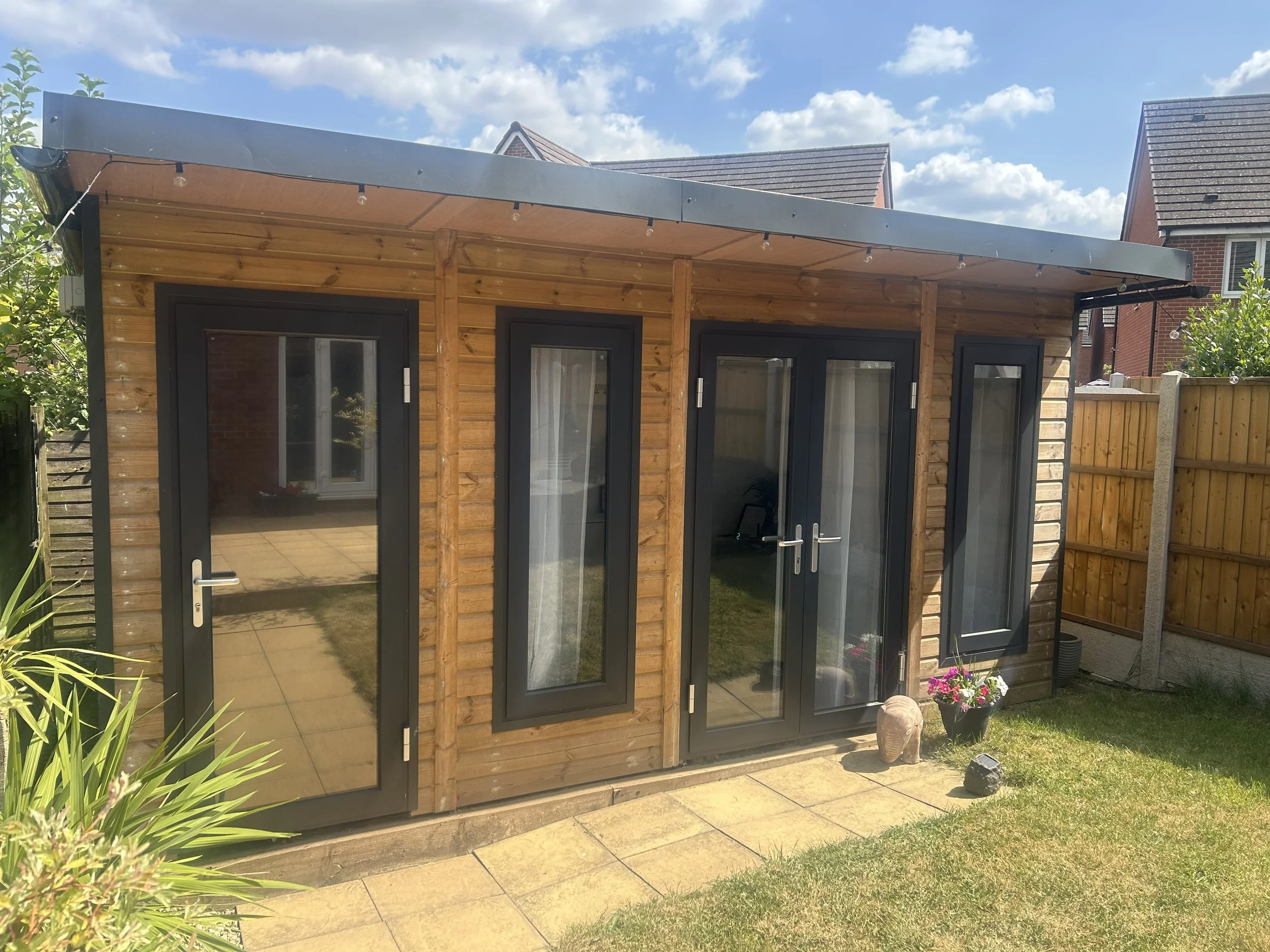
I work face to face in Birmingham and online. We can meet online or in person. If we decide to work online we may utilise online programmes or games and you may want to have some paper/ pens available if we decide to use them.
-
o Counselling is different for different people. Sometimes people find that counselling helps them to feel better and achieve their goals very quickly.
o The outcome of counselling may not always be what you expect, but hopefully it will be positive.
o Counselling is a collaborative process where you and your counsellor work together; it is not something that can be done to you.
-
Before I meet you, I will have had two appointments with your parents, this is so that they can let me know what is happening for you. In your first appointment your parents are welcome to come for some or part of the session. After this normally you would come on your own. If you don’t feel ready for this then we can talk about it.
-
o No, you don’t have to come to counselling, it is always your choice if you come or not.
-
o No, counselling sessions are your private space to talk about whatever you want to. You don’t have to talk about it with anyone else.
o If it is helpful you can set up a code word with your parents that lets them know that they are asking too much and you don’t want to talk.
o Also, if you need to let your parents know that they are asking too much about your counselling, that’s something I can help you with, or we could do together.
-
If we decide to work together we will arrange a first therapy session where we will continue to explore what has bought you to therapy and what you want to gain from it. Our first therapy session will be chargeable and will be 50 minutes long. It will also be online.
-
o The number of counselling sessions you have will be something we will talk about together and agree together.
-
o If you need to tell me that you won’t be able to make your session or change your session time then you are welcome to contact me between sessions and I will reply as soon as possible. If you need extra support this is something that we can talk about. I am not an emergency service, so if you feel that you will need extra support between sessions we can talk about where you can find that, and I can give you some ideas of different places you can try.
FAQs for Parents
The term child in the information below refers to all people under the age of 18.
-
To find out more about what counselling and psychotherapy is please see this page on the UKCP website.
-
A therapy session lasts for 50 minutes.
-
Initial Conversation: Free
One to One Counselling or psychotherapy: £60 for 50 minutes
Negotiated rates for trainee counsellors and clients on low incomes
I request that payment for sessions by individuals be made the day before the session
Payment of fees can be made by Bank transfer -
I am a registered provider with BUPA, AXA and AVIVA.
-
If your insurance policy fully covers your sessions you will not need to pay unless you cancel or do not attend as explained below. Some people have an excess on their policy, in which case you will pay this directly to me. We will discuss this further before you begin your sessions. Further, for your information, often when your policy renews annually, your excess will be due again.
-
My cancellation policy is 72 hours – if you cancel within 72 hours or don’t attend a session and we aren’t able to rearrange the appointment within the same week, the fee will be payable. Insurance companies do not cover non-attendance, if an insurance company pays for your sessions and you do not attend or cancel within 72 hours you will need to pay the fee yourself.
-
I work face to face in Birmingham and online.
Please note that the initial conversation and assessment session will be online.
The first session with your child can be in person or online. If we decide to work online we may utilise online programmes or games and you may want to have some paper/ pens available for your child if they decide to use them. -
Before your child begins counselling with me I will
ask you to have an initial conversation that is either online or on the phone. This will allow me to get a sense of what difficulties your child is experiencing and what they are looking to achieve through therapy. It will allow me to assess whether we are likely to be a good fit and if I am the most appropriate therapist for them.
These are some more things that you need to know about our initial conversation:
There is no cost for the initial conversation, it is Free
It will take between 30-40 minutes.
It will take place online or on the phone.
In our initial conversation I will ask you to tell me a bit about what difficulties your child is experiencing and what they want to gain from therapy. I will also ask questions about their life circumstances and how they are feeling at the moment.
-
If after our first chat you feel that I am not the right therapist for your child, that is absolutely fine, you are welcome to tell me then and there that you don’t feel that we are a fit or you can go away to think about it and come back to me.
-
It is my priority that your child gets the best support available, sometimes that will mean that we don’t work together and that I suggest they see an alternative therapist. Often therapists specialise in particular areas, if I feel that I won’t be able to meet your child’s needs to my satisfaction I will explain that I don’t feel that I have the right experience or expertise to support you and sometimes I can suggest possible alternative therapists.
I understand that this could be disappointing for some and may feel rejecting, however, as therapists it is important that we work ethically and competently with clients and it is my belief that your child deserves the best support for them.
-
If we decide that I am a good fit to work with your child we will then arrange an Assessment Session between myself and you as the parent.
These are some more things that you need to know about the Assessment Session:
The Assessment Session is chargeable - £50-£60
It will take between 50 minutes.
It will take place online or on the phone.
I will ask you a number of questions and take a detailed history regarding your child.
-
For the first session with your child you, the parent, will be invited to also attend for half or all of the session depending on what is appropriate and what your child needs. The first session with your child may be online or in person.
-
Following the Assessment session, further sessions with the child will be alone unless something comes up where parent involvement is needed. Sometimes we will arrange review sessions, this is an opportunity to reflect on how the sessions are going and to share any information that has been agreed with the young person.
-
I will not discuss anything said in the session with your child with you without the agreement of the child or if there are safeguarding concerns.
However there will be opportunities throughout the work for reviews with the child and you as the parent. This would be pre-agreed with the child.
-
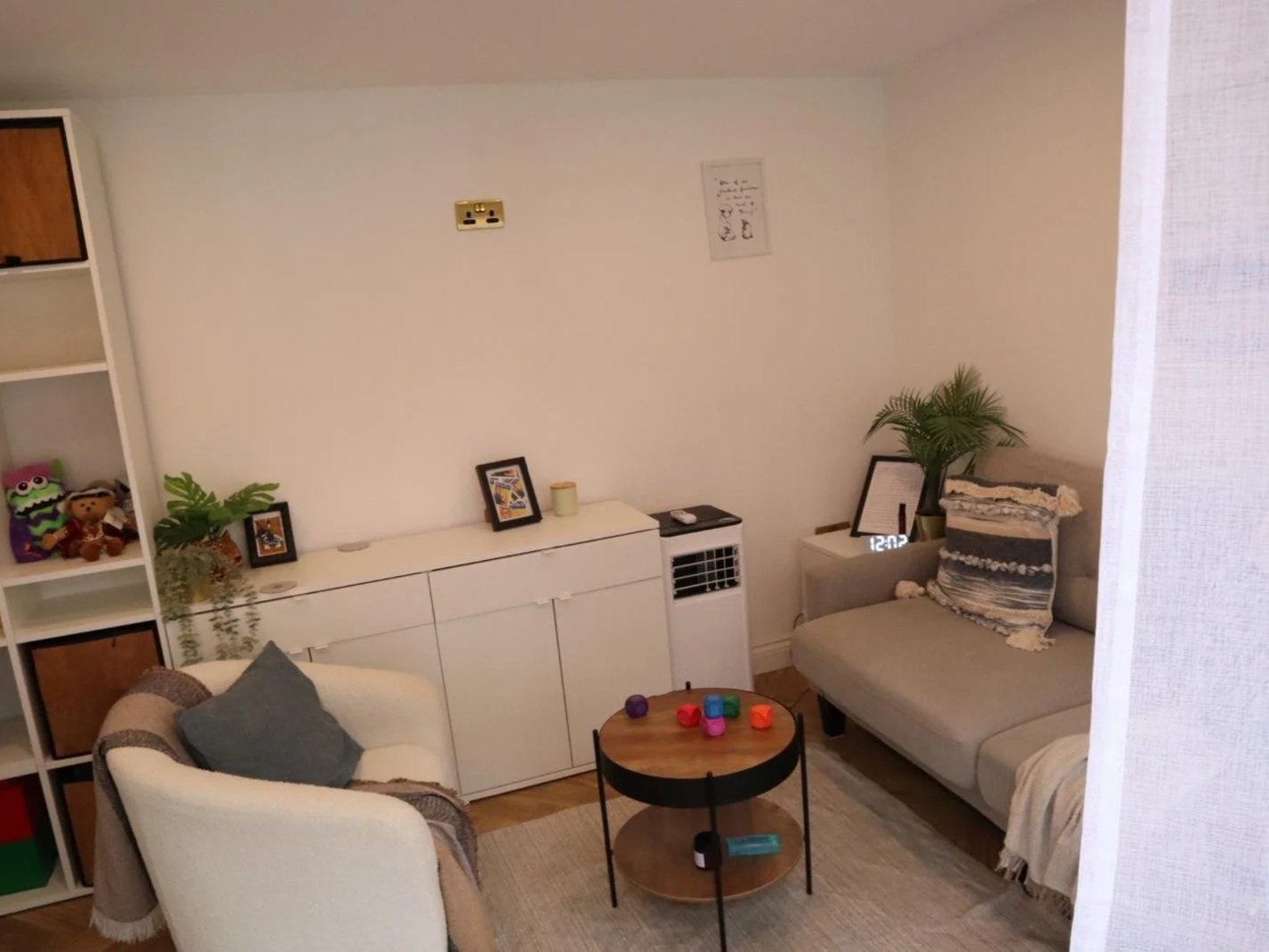
I work creatively and I am client led. I will not decide what we do in sessions but will be guided by what your child decides is most important to them. I use a range of mediums within therapy, such as toys, art, clay and games. Play is very important to children and indeed young people and adult and can have a powerful effect on us.
-
I would encourage you to talk with your child about therapy before they start. Perhaps show them my picture and look at my information online
Share with your child how you think therapy might help them. It is ok to encourage your child to give therapy a go, with the understanding that it always their choice and optional.
-
Follow your child’s lead, show an interest in how therapy is going but don’t ask your child lots of direct questions about their therapy, e.g. what did you talk about today? Did you have fun? Or, tell your child what to talk about. It is important that your child knows that this is their private space to discuss whatever they wish.
Be consistent, reliable and gently encouraging. Try to make going to therapy a positive experience – remember it can be a difficult thing to do. Having a routine around therapy can be helpful, for instance go for a hot chocolate afterwards.
Set up a code word with your child, so that if they don’t feel like talking they can use it as a signal.
It may be helpful to agree with your child what support or way of doing things would be most helpful for them.
You are welcome to let me know of any new things that are happening for your child. I would ask you to do this via text or email and keep the information to the point. I will acknowledge your message but won’t discuss things further unless I need to clarify anything.
-
Having someone to talk to can have a positive impact on children quite quickly. However, it can also involve getting in contact with difficult emotions and finding new ways to express them. Your child may experience strong emotions of changes in behaviour once therapy starts. They could be more angry, tearful or quiet.
They might use self-injury to cope already and might continue to use this whilst working out new ways of coping. This can be worrying and I would encourage you to talk to your child and myself about this when you need to. I will work with your child to create a plan that helps to keep them as safe as possible. If this is happening with your child, this is something that would be important to let me know about in our Assessment Session or make me aware of during our work together.
If there is something that you are particularly concerned about you can discuss this with your child and decided together if and how to share this with me.
-
When therapy comes to an end it can bring up past memories or feelings about goodbyes or loss. Because of this, ending in therapy is ideally planned carefully in advance. It is not advisable to stop sessions suddenly, but where this is unavoidable, we can talk about this process in the best possible way.
-
I will respond to contact out of session times for administrative purposes and will responded as promptly as possible, but it will not necessarily be immediate. As I don’t offer a crisis service there is no provision for emergency/out of session cover. There may be occasions where additional support may be mutually agreed. Please also see my useful numbers sheet for information about crisis services.
Ready to talk?
Send us a quick message below, and we’ll reach out within 3 business days.